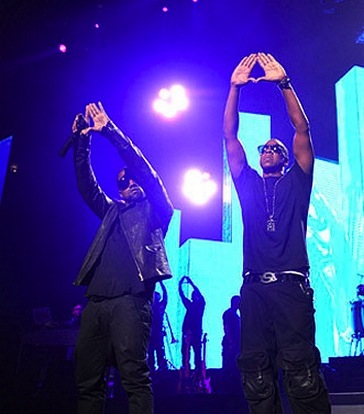
In this video segment from 2005 Kanye West talks about his perspective on sampling. Kanye who is known for his extensive use of sampling in his production style notes that, “The sample speaks to people in a different kind of way that rap can’t even reach. That sample was so much bigger than me, and that’s saying a lot.” In this excerpt Kanye is referencing his use of “It’s the Hard Knock Life” from the 1977 Broadway musical Annie in Jay-Z 1998 hit “Hard Knock Life (Ghetto Anthem)”.
Other parts of this video revolve around Kanye’s use of Shirley Bassey’s 1971 James Bond theme “Diamonds Are Forever”. While Kanye relies heavily on the sample, and it surely is not his most creative work, many listeners overlook the fact that “the diamond” was a longtime symbol of Jay-Z’s music label Roc-A-Fella Records, to which Kanye was signed.
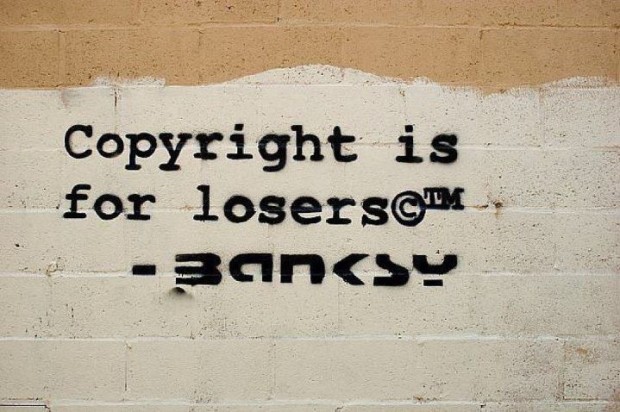
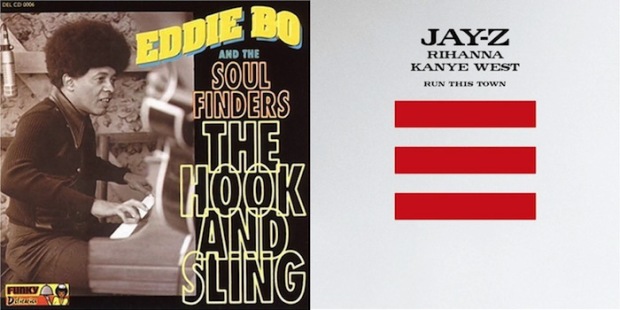
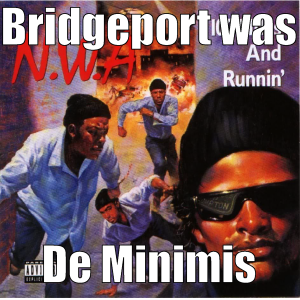 Long story short: unauthorized sampling in hip hop has been illegal since 1991 when a district court ruled that sampling constituted copyright infringement no matter how small the sample (
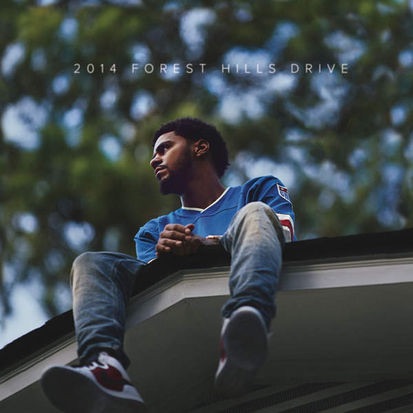
 On December 9th 2014 J. Cole released his third studio album “2014 Forest Hills Drive”. In the song’s outro track “Note to Self” J. Cole voices his opposition to current copyright law. “Y’all be tryin’ to give a n*gga a hard time on the samples, man! I’ma go to the f*ckin’ Supreme Court and try to make this shit easier for n*ggas like me to clear these samples, man”. Not only is J. Cole cognizant of the fact that the legality of sampling is currently decided by the courts, and not the written law, but he goes on discuss compulsory licenses. “I’ma pay you, I’ma give you a percentage, but you shouldn’t be able to tell me I can’t use it …that’s f*cked up n*gga.” Here J. Cole is alluding to the fact that cover bands (and other artists) can pay a small set fee to receive a compulsory “mechanical license” that allows them to make cover songs, but there is no such protection to ensure hip hop artists have the right to sample.